Qatar’s Insects
This project is the first of its kind and falls under the national initiative for classifying Qatar’s insect species. It represents a significant scientific contribution to the country, enhancing knowledge and advancing the natural sciences.
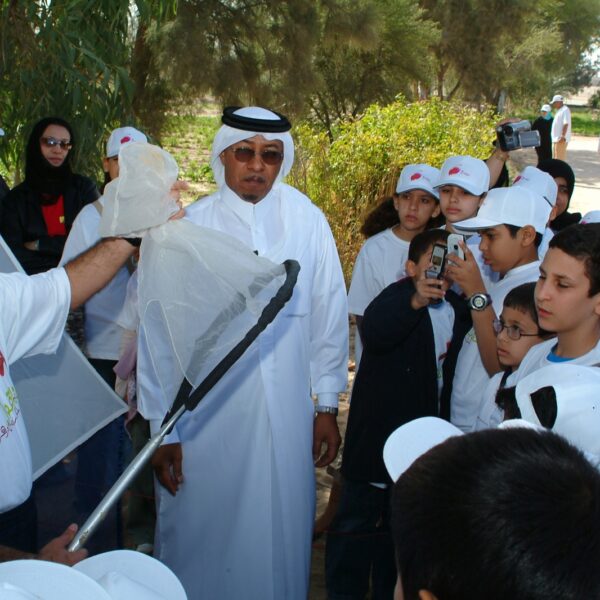
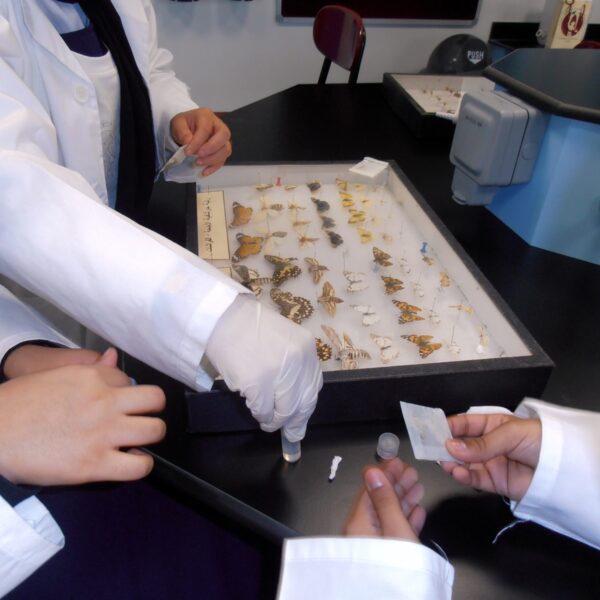
One of the key benefits of the project is training Qatari educators and specialists in the education sector, enabling them to transfer this knowledge to students. The project also carries cultural and scientific value, as Qatar’s insects—including newly discovered species—will be preserved and curated at the Qatar National Museum for research and educational purposes.
Through this project, 17 insect species were discovered in Qatar for the first time, in addition to previously known species totaling 170. This demonstrates the strength of the scientific research methodologies adopted, contributing to a foundational scientific resource for a museum dedicated to insect biodiversity in the country.
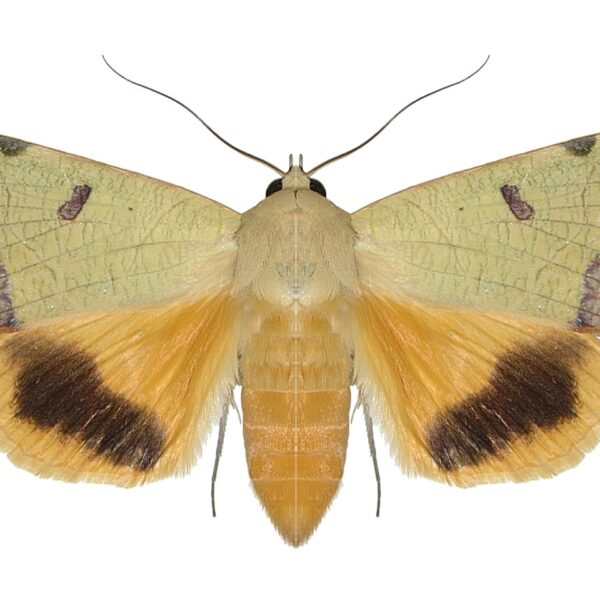
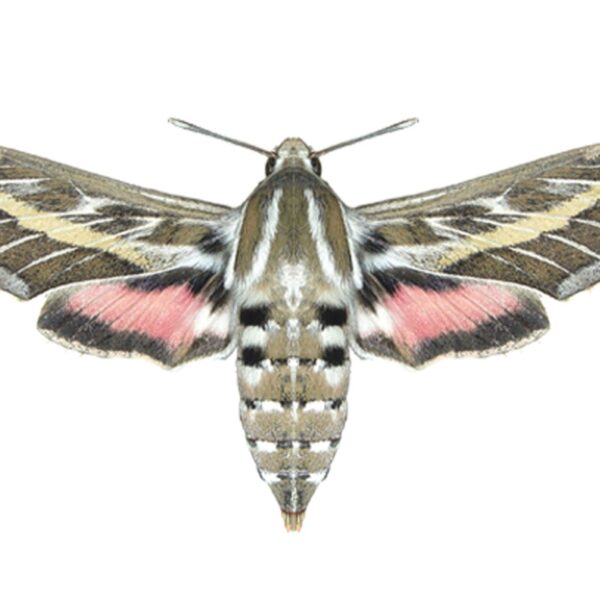
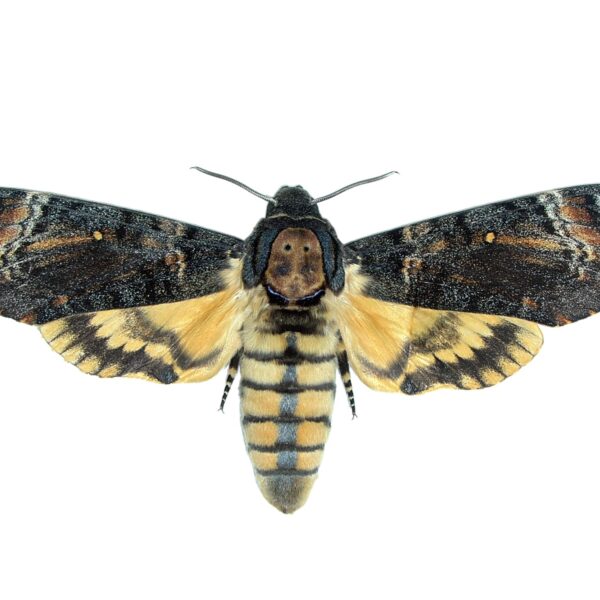
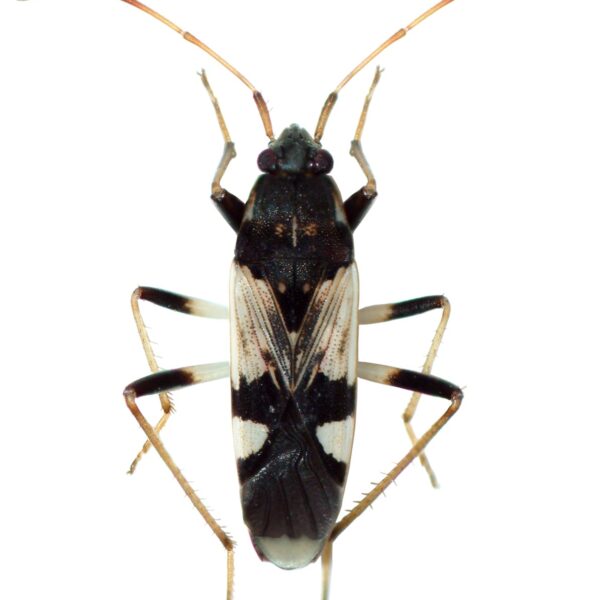
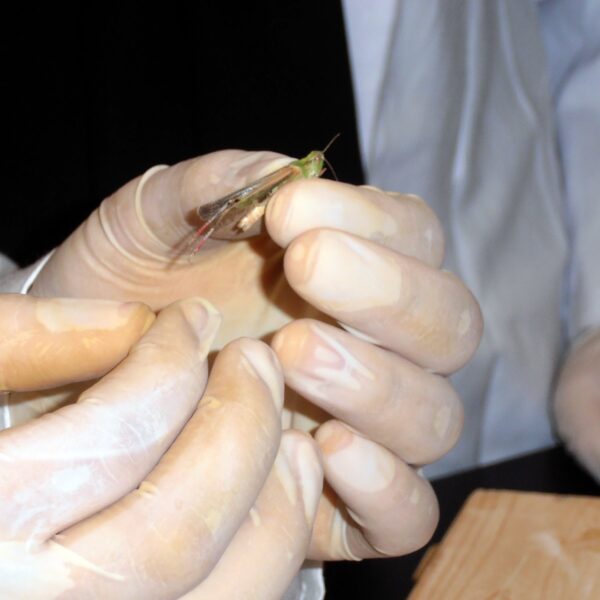
The scope of the project includes identifying 10 insect orders, 136 families, 448 genera, and 672 species, noting that 222 species remain unclassified. Among these, 407 species of darkling beetles have been documented, followed by other insect orders such as butterflies and flies. None of these insects are harmful to Qatar’s environment; rather, they play a vital role in maintaining ecological balance.
The insect classification project in Qatar holds global scientific importance, as the 17 newly discovered species were previously unknown worldwide, and have been assigned scientific names that reflect Qatar’s desert and coastal ecosystems.