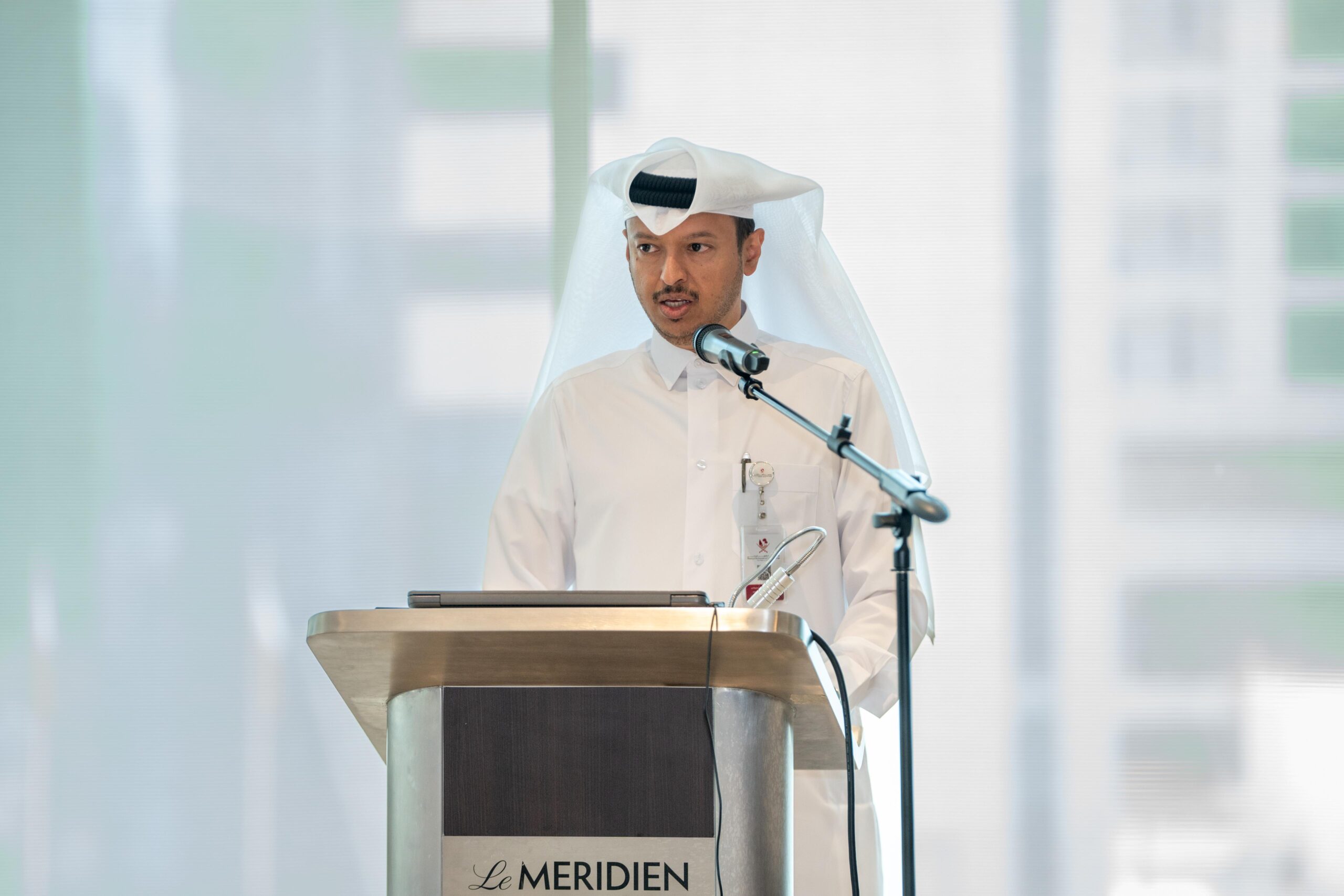
The Ministry of Environment and Climate Change, represented by the Wildlife Development Department, organized a workshop titled “Rehabilitating Qatar’s Terrestrial Environment and Geographic Information Systems Applications,” attended by representatives of a number of government and academic entities, the private sector, and civil society organizations concerned with environmental affairs.
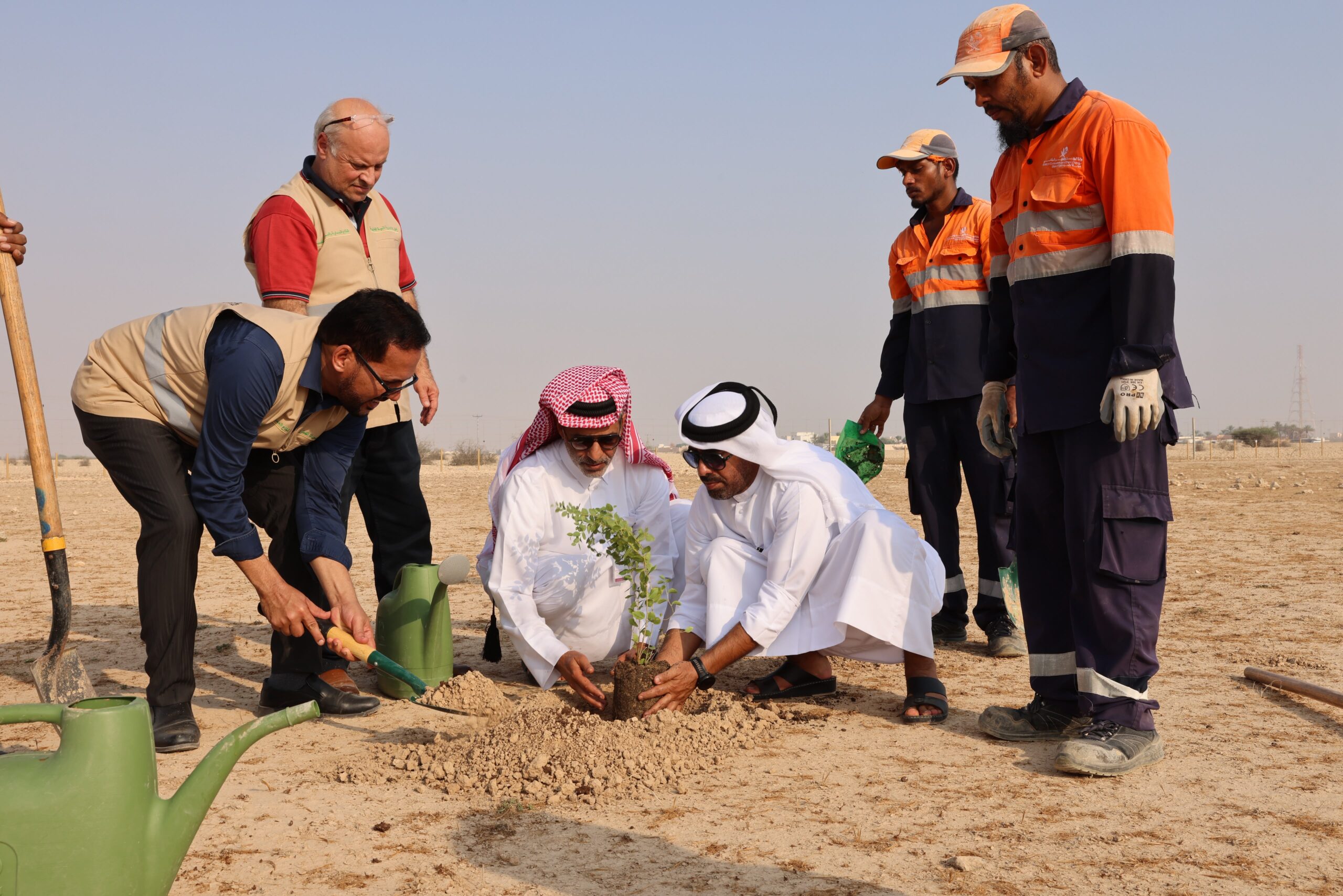
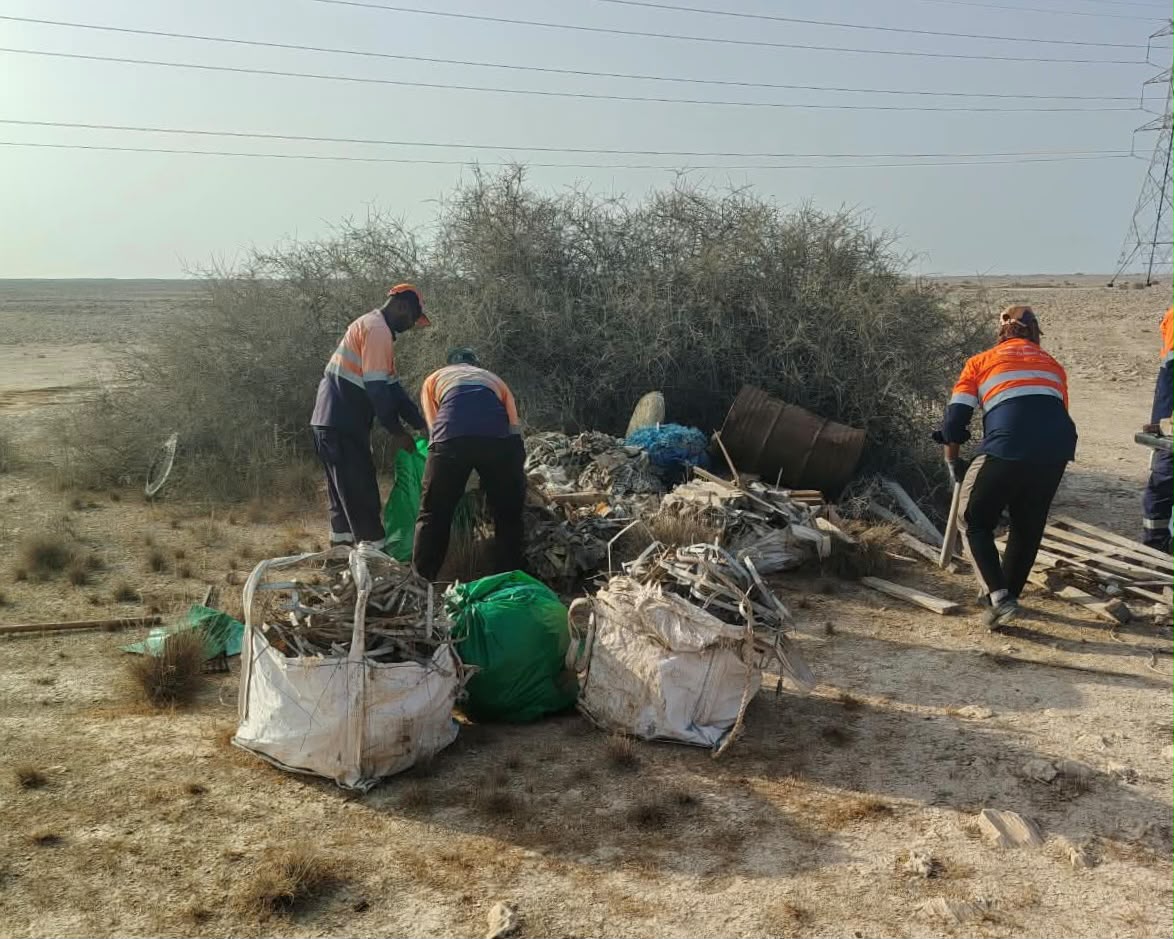
The workshop reviewed national efforts to rehabilitate Qatar’s terrestrial environment and conserve natural ecosystems, while introducing the role of modern technologies and Geographic Information Systems (GIS) applications in supporting environmental planning and the management, monitoring, and follow-up of rehabilitation projects.
Mr. Adel Al-Yafei, Head of the Wild Plant Life Section, affirmed that the organization of the workshop forms part of the Ministry of Environment and Climate Change’s efforts to strengthen the protection and rehabilitation of terrestrial ecosystems in the State of Qatar and reinforce cooperation with national entities concerned with environmental affairs. He noted that the workshop program addressed the rehabilitation of Qatar’s terrestrial environment by reviewing achievements in this field over the past period and highlighting key accomplishments, in addition to the 2026 work plan.
He pointed out that GIS applications constituted one of the workshop’s main themes, with discussions focusing on their applications in rehabilitating Qatar’s terrestrial environment and the importance of these systems in supporting monitoring and planning processes and following up on sites targeted by rehabilitation programs. He explained that GIS enables specialists to manage spatial data and link it with the required environmental information, thereby supporting site assessment and monitoring changes occurring within them, as well as documenting rehabilitation programs, following up on work implemented in targeted areas, and making use of modern technologies in implementing programs and projects related to the protection of the terrestrial environment.
He explained that rehabilitating terrestrial areas represents an important component of the Ministry of Environment and Climate Change’s efforts to conserve biodiversity and ensure the sustainability of natural resources for future generations. He noted that the workshop contributes to coordinating efforts and exchanging knowledge and expertise among government and academic entities, the private sector, and other stakeholders, while making use of modern technologies, particularly GIS, to support environmental planning and enhance the efficiency of rehabilitation projects and environmental monitoring.
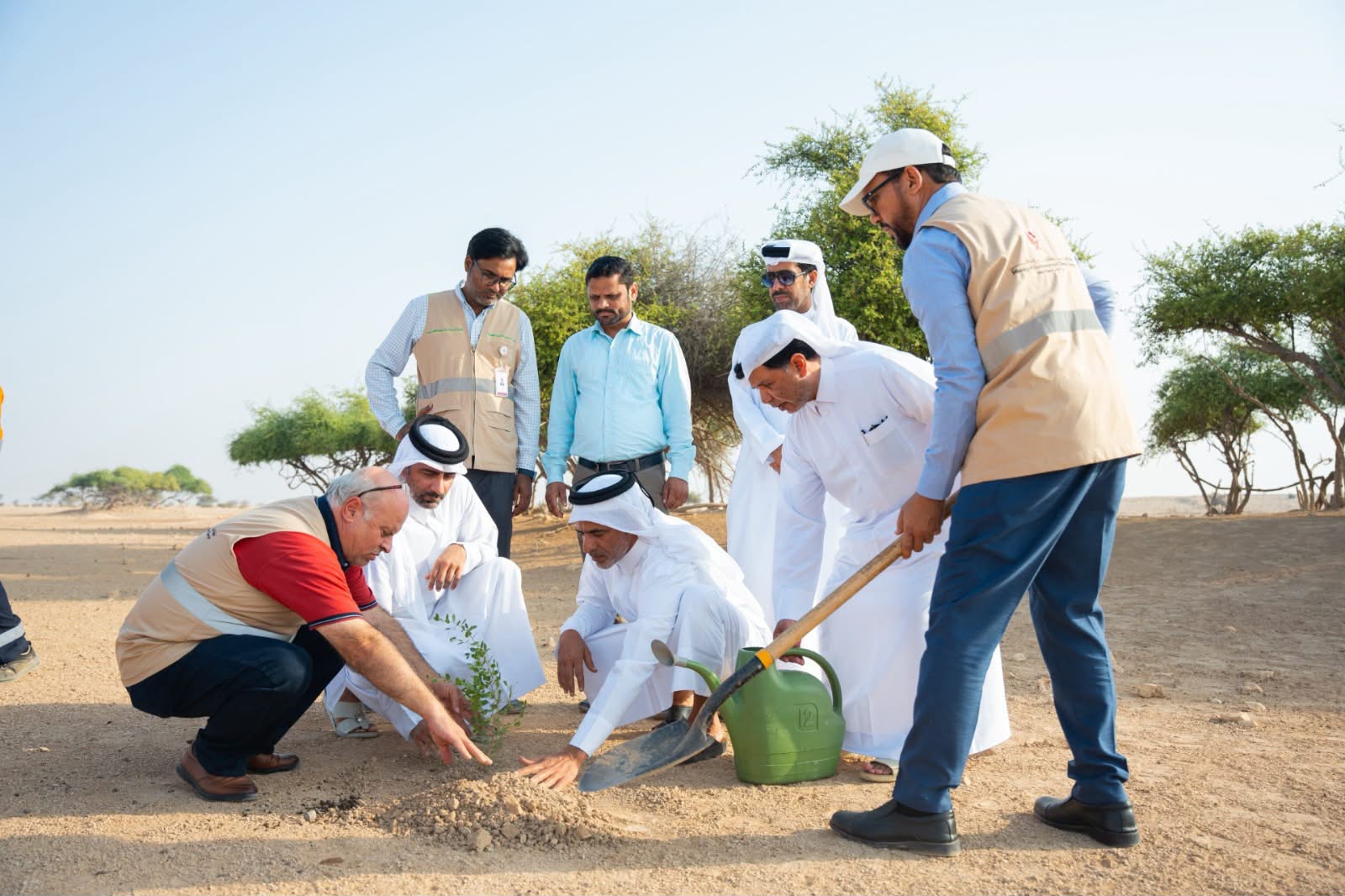
Al-Yafei highlighted the Ministry’s commitment to strengthening cooperation with all relevant entities to protect natural habitats and increase vegetation cover in terrestrial areas, while achieving sustainable environmental development targets in line with the Qatar National Vision 2030. He affirmed that the results achieved by the Rawdah Fencing Initiative demonstrate the importance of community partnership and institutional cooperation in protecting Qatar’s environment.
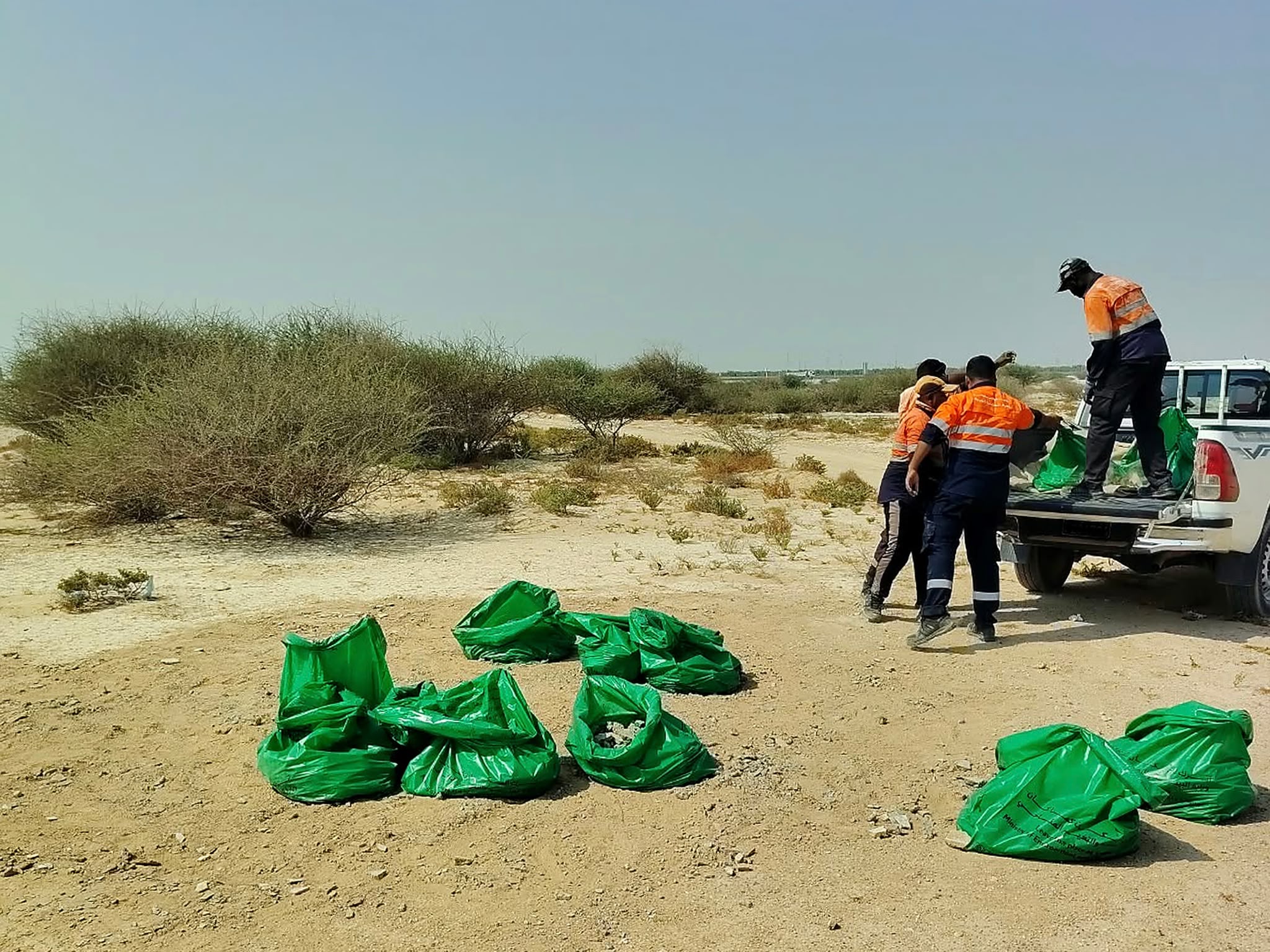
At the conclusion of the workshop, the Ministry honored the cooperating entities in appreciation of their contributions to the success of the Rawdah Fencing Initiative, which aims to protect rawdats, conserve their vegetation cover, and support efforts to rehabilitate terrestrial ecosystems.