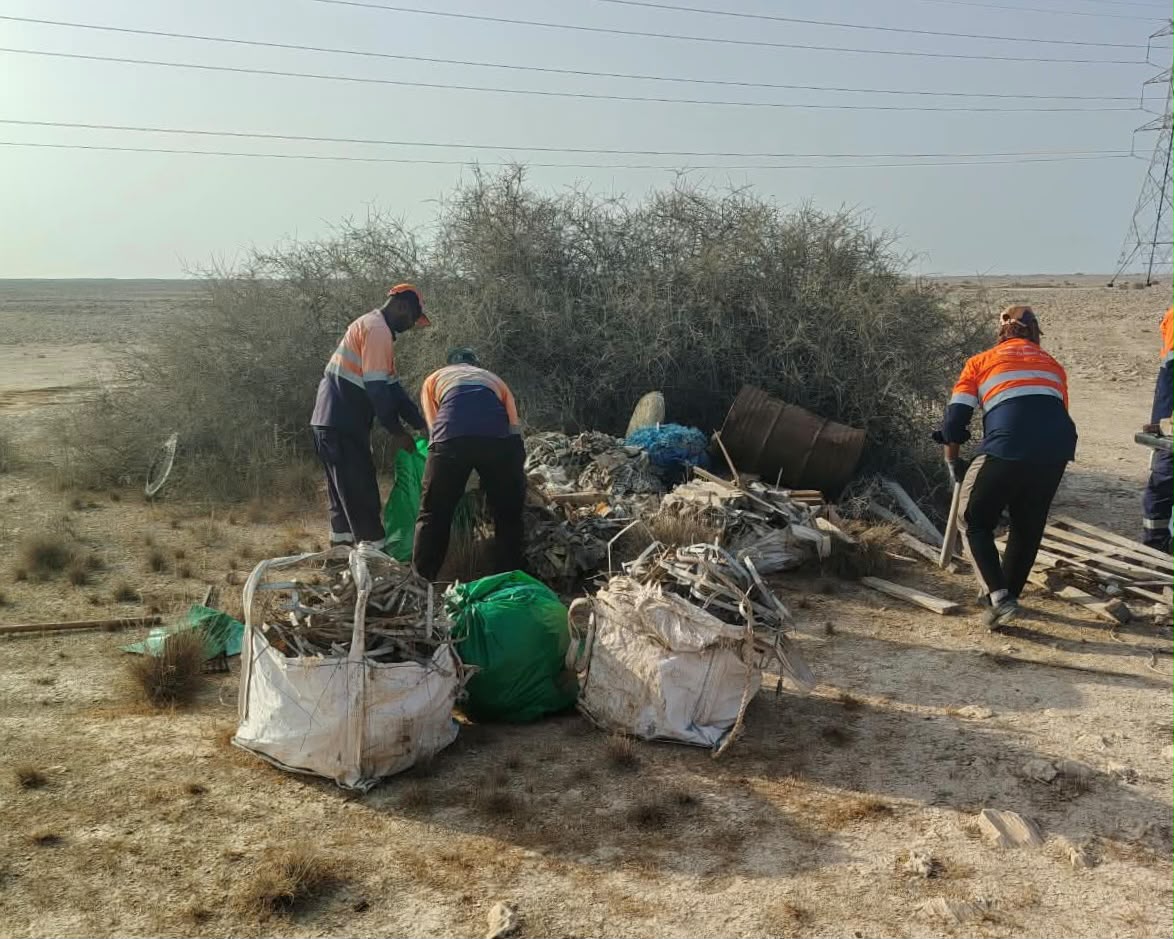
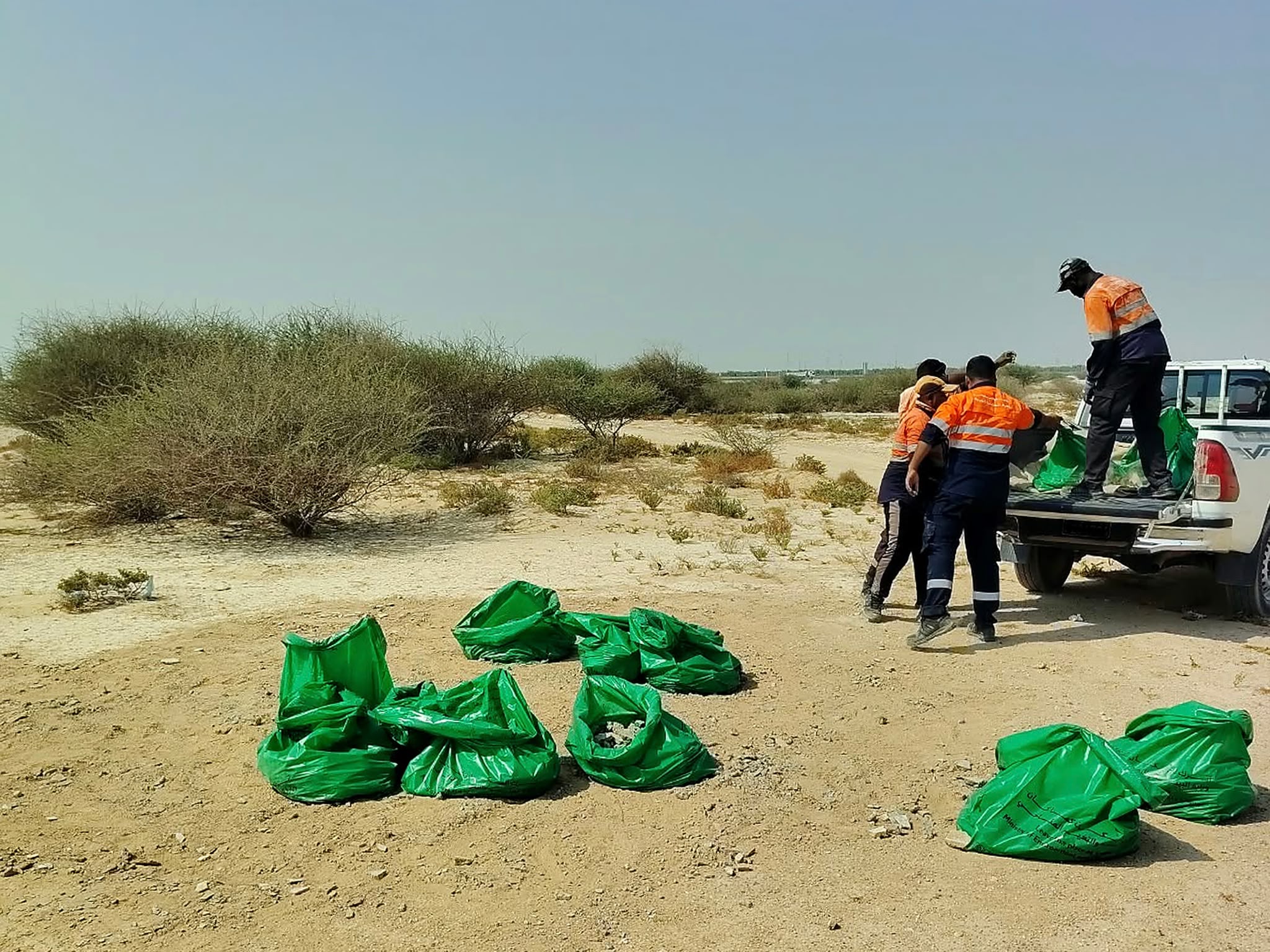
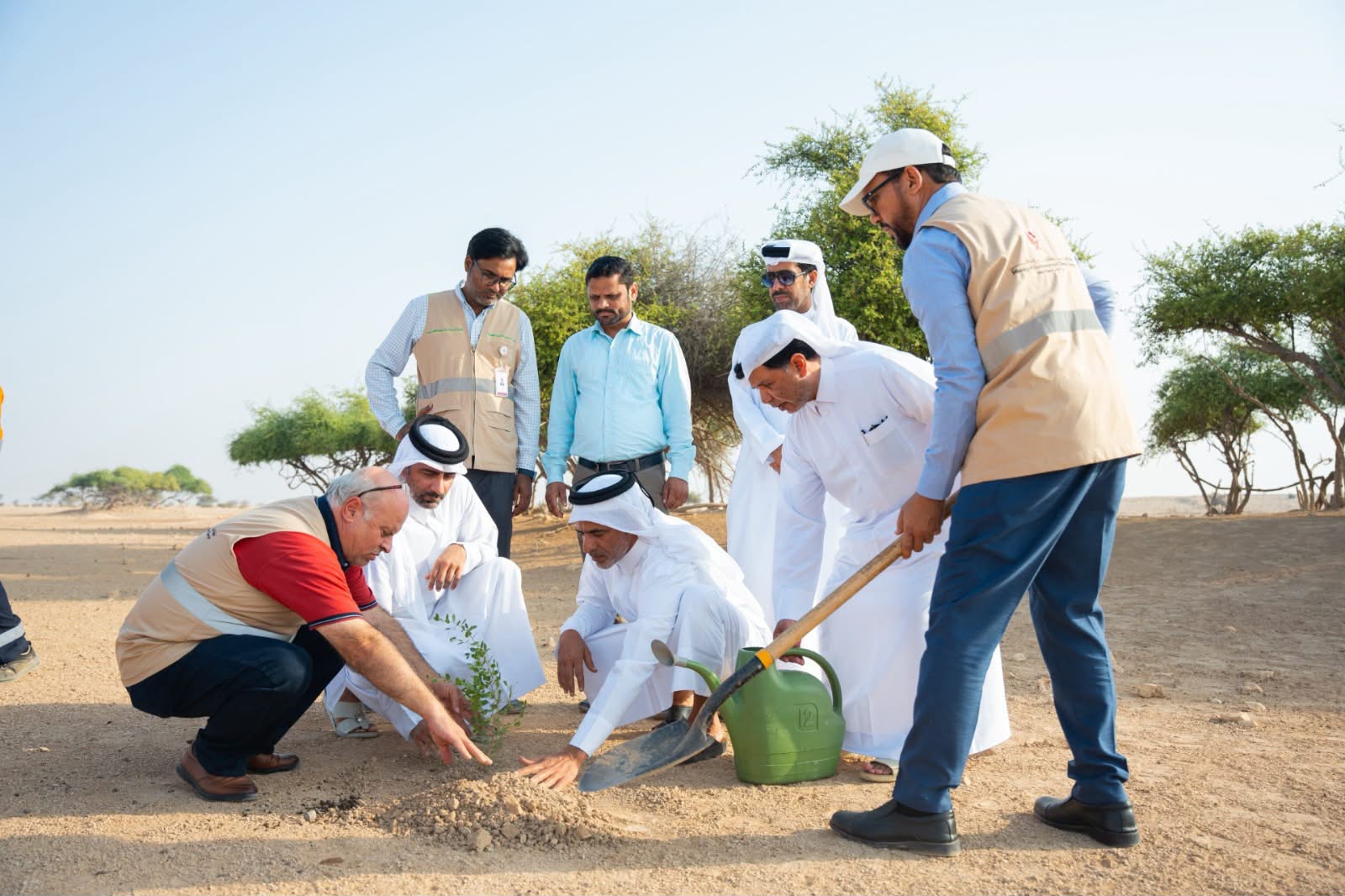
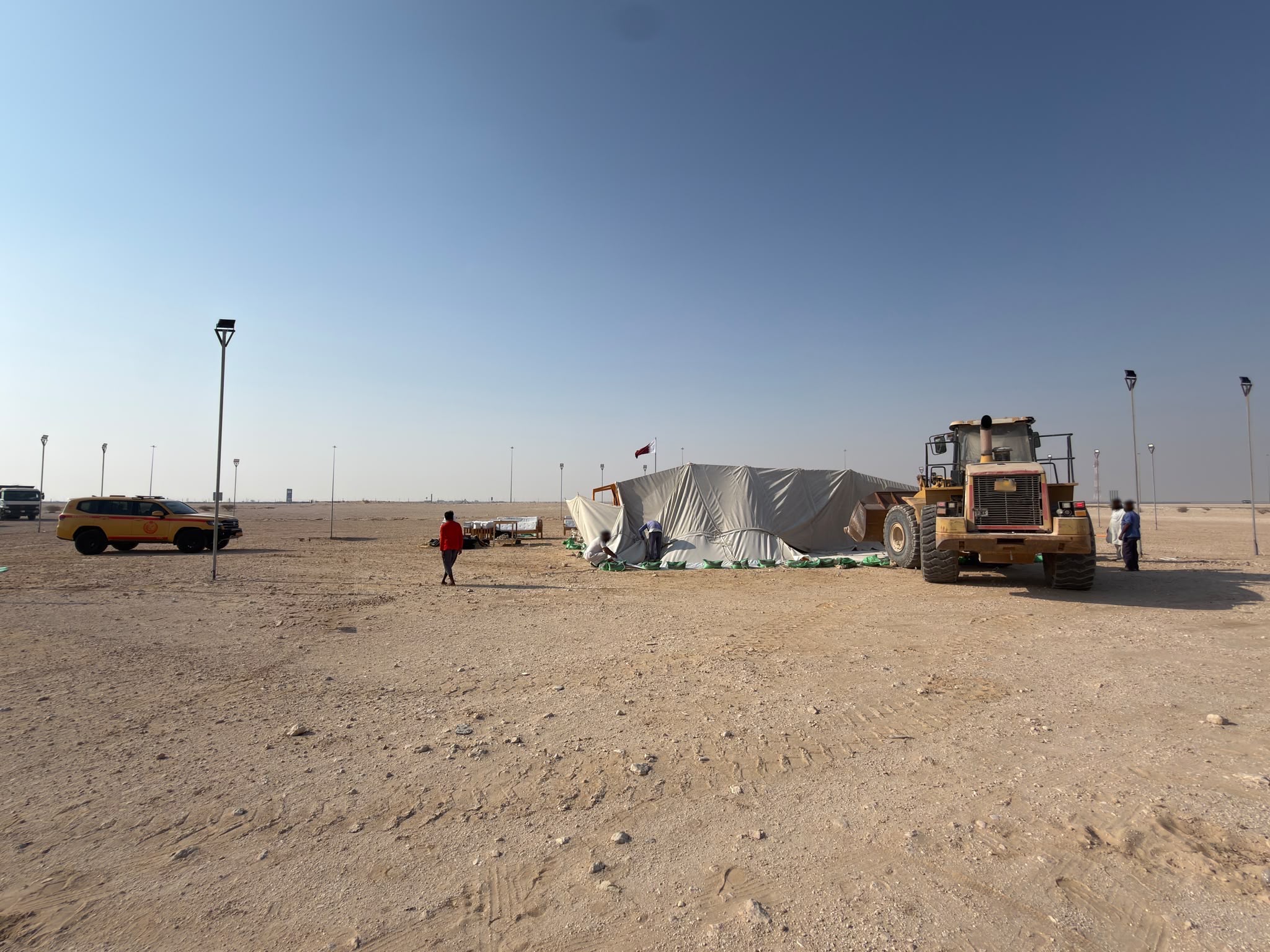
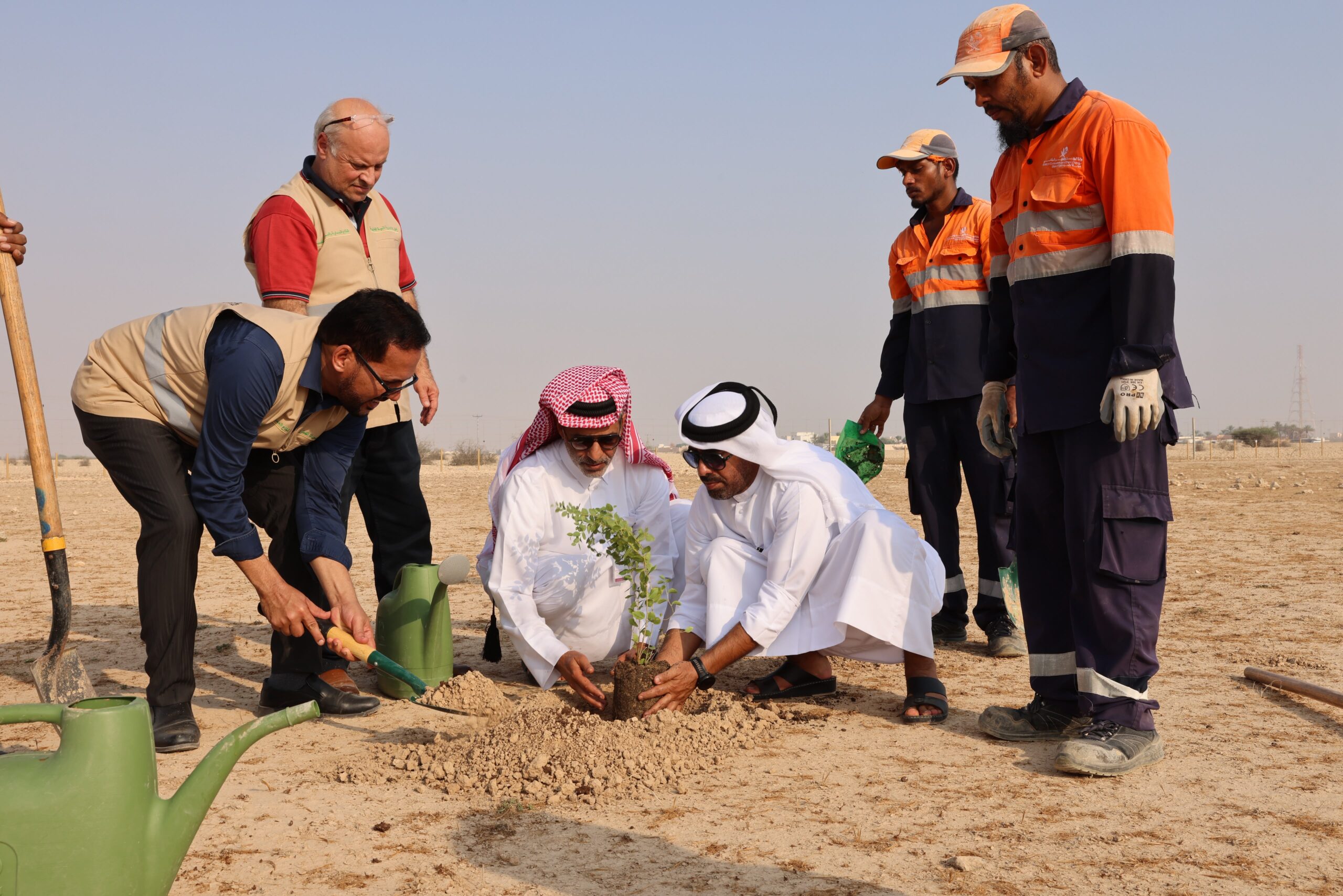
The Ministry of Environment and Climate Change, represented by the Wildlife Development Department, organized a campaign to scatter 5,000 seeds and plant 300 native wild seedlings in Al Suwairiyat Rawdat in the Al Ghuwairiya area, coinciding with the beginning of the rainy season. The campaign forms part of the Ministry’s efforts to conserve and rehabilitate rawdats and enhance vegetation cover.
The campaign is part of the ongoing rawdat planting activities for the 2026 season, with the participation of a number of environmental specialists and stakeholders. It aims to raise awareness of the importance of conserving rawdats and wild plants, and to engage the community in efforts to rehabilitate and protect natural sites, thereby supporting the sustainability of vegetation cover and biodiversity.
The timing of seed scattering is particularly important in supporting natural germination following rainfall. Rainwater helps seeds germinate and plants grow, while rawdats, by virtue of their low-lying geographical characteristics, serve as sites for collecting rainwater and natural seed banks. This supports the regeneration of vegetation cover and enhances the prospects for successful rehabilitation efforts.
In this context, Mr. Adel Mohammed Al-Yafei, Head of the Wild Plant Life Section at the Wildlife Development Department, emphasized the importance of making use of the rainy season to support rawdat planting efforts. He noted that scattering seeds at the appropriate time helps enhance the germination of native plants and supports the restoration and sustainability of vegetation cover.
He pointed out that rainfall is an important factor in activating the growth cycle of wild plants, and that preserving its environmental impact requires protecting natural sites from harmful practices. He stressed that seed scattering and seedling planting activities go hand in hand with ongoing efforts to conserve plants and soil, giving vegetation cover an opportunity to grow and regenerate.
He explained that the Ministry relies, in its rawdat protection and rehabilitation programs, on field monitoring, geographic information systems, remote sensing, satellite imagery analysis, and spatial databases to monitor the condition of vegetation cover, track environmental changes, identify protection and rehabilitation priorities, and direct field activities according to site-specific needs, thereby contributing to the development of planting programs.
He noted that maintaining the results of planting efforts is closely linked to protecting sites after field activities have been completed and allowing plants sufficient opportunity to grow and reproduce. He stressed the importance of avoiding practices that affect the integrity of vegetation cover, including driving over plants with vehicles, cutting down wild trees and shrubs, and uprooting them, as such practices cause damage to plants and soil and pose challenges to the Ministry’s rehabilitation efforts.
Al-Yafei pointed out that selecting plant species suited to the characteristics of each site is one of the key factors contributing to the success of planting programs. He noted that relying on native plants supports the conservation of local plant diversity and contributes to enhancing the ability of vegetation cover to regenerate and sustaining the results of rehabilitation efforts at natural sites.
He stressed the importance of community participation in these efforts, given its role in raising awareness of the value of rawdats and wild plants and reinforcing responsibility for their protection. He noted that environmental conservation begins with responsible conduct during visits and trips to desert areas and respect for the components of natural sites, particularly during the current period, which coincides with the hunting, camping, and winter seasons.
Rawdats are considered important ecosystems in the State of Qatar, where rainwater accumulates and natural seed banks support the growth of seasonal plants. They also provide natural habitats for birds, reptiles, small mammals, and insects, and contribute to groundwater recharge, further underscoring the importance of conserving their soil and vegetation cover.
The Ministry called on visitors to desert areas to conserve rawdats and wild plants, adhere to designated vehicle routes, avoid leaving waste or damaging natural components, and report harmful practices through the hotline 16066. The Ministry affirmed that community cooperation contributes to protecting the results of planting efforts and conserving natural resources for future generations, in line with the objectives of Qatar National Vision 2030.
Source: Ministry of Environment and Climate Change Scatters 5,000 Seeds in Al Suwairiyat Rawdat